 Petr Skoda
Where a company's system should run is one of the first decisions made even before a single line of code gets written. The choice is essentially between the cloud, meaning rented infrastructure from an outside provider, and an on-premise setup, where the company runs its own servers on its own network. Both options have their place, and the right choice depends on what the company actually needs.
What cloud and on-premise actually mean
Cloud means a company rents computing power, storage, and other services from a provider such as Microsoft Azure, AWS, or Google Cloud, and pays for what it actually uses. The provider manages the infrastructure, and the company only has to take care of the application itself.
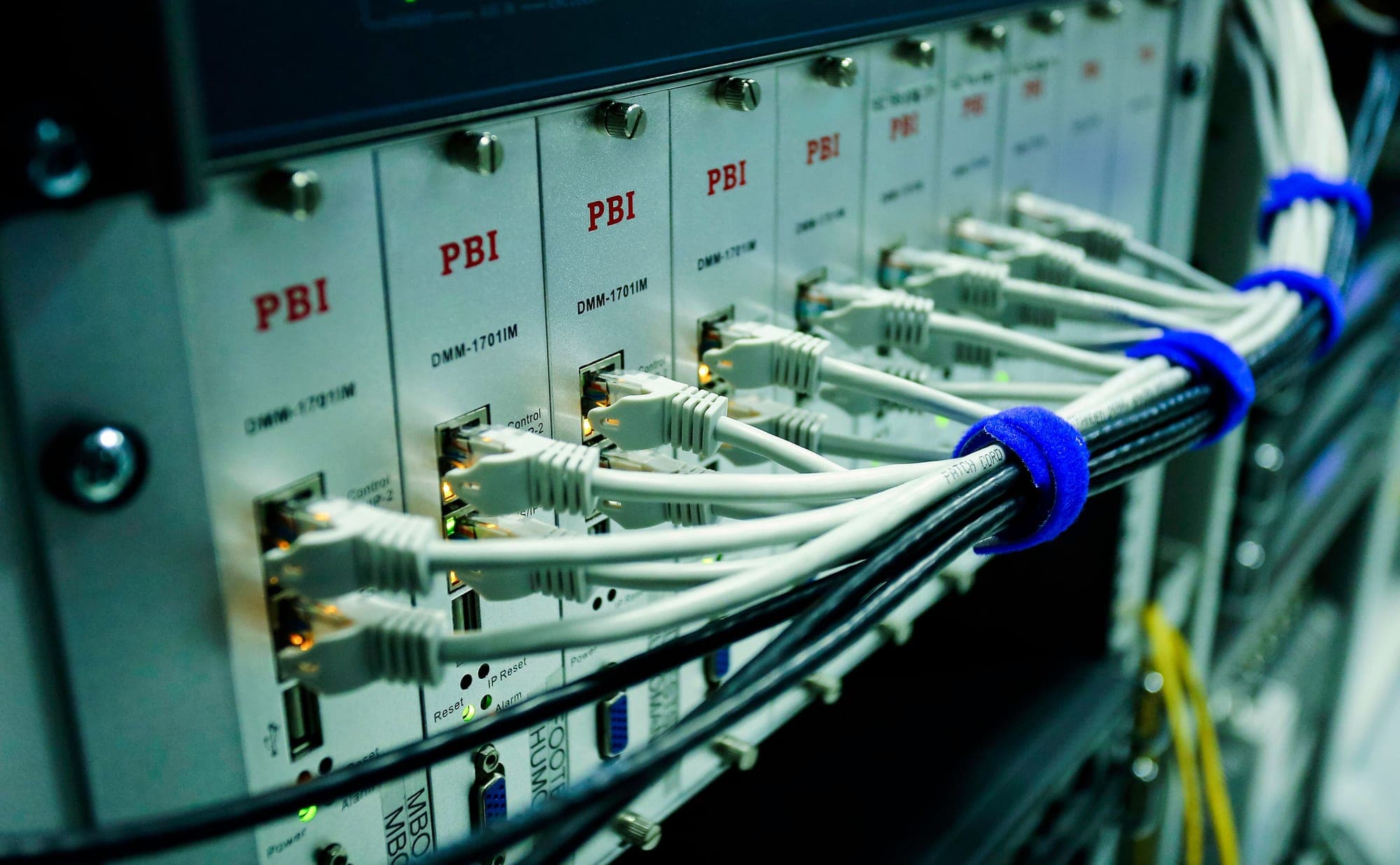
On-premise means a company owns physical servers that sit in its own premises or a rented data center, and it handles all operations, updates, and security itself, or through its own vendor. Control over the infrastructure is complete here, but so is the responsibility that comes with it.
When the cloud makes sense
The cloud fits situations where a company needs to scale quickly, where system load fluctuates, or where it does not want to deal with purchasing and maintaining physical hardware. Costs grow gradually as the company actually uses the service, and launching a new project requires no upfront investment in equipment.
Another advantage is speed of deployment. A new server or database can be spun up in the cloud within minutes, while acquiring and setting up a physical server takes weeks. For companies still validating a new product or expecting variable traffic, this is usually the simpler path.
When on-premise makes sense
An on-premise setup makes sense where a company works with sensitive data that, for regulatory or security reasons, cannot leave its own network, or where low, predictable response time is required without depending on internet connection quality. That is common precisely in manufacturing and logistics, where similar demands for low latency and independence from connectivity also apply to digital twins, and where a system needs to keep working even when the internet goes down.
Another reason is the long term economics of running the system. If a company operates a system for years with predictable, high load, owning the hardware can end up cheaper overall than ongoing cloud service payments, even with a higher upfront investment and full responsibility for maintenance.
A hybrid approach as the middle ground
In practice, many companies end up choosing neither option exclusively but a combination of both. Sensitive operational data and systems with low tolerance for downtime run on-premise or right on site, while less critical applications or services with variable load run in the cloud. This combination lets a company capture the advantages of both approaches wherever it makes the most sense.
Where Eniware fits in
Eniware builds systems so that the choice between cloud and on-premise is not forced by the technology but decided by the client. Solutions get deployed as needed on Microsoft Azure, on a cloud the client chooses, or directly on the company's own infrastructure, and the client always keeps ownership of the source code and documentation without depending on any single vendor.
The same reasoning applies to running AI models themselves, which we cover in our article on hosting your own AI model on your own device.