 Petr Skoda
When a company deploys a language model and asks it something about its own internal documentation, the model often makes something up. That is not a bug, just a consequence of how it works. A model only knows what it saw during training, and a company's internal guidelines, technical documentation, or latest price list are typically not part of that. The approach that solves this problem is called RAG, short for retrieval augmented generation.
What RAG actually does
RAG combines two things that work well on their own, but only become genuinely useful together. The first part is retrieval, the ability to find the passages in a company's internal documents that relate to a specific question. The second part is the language model itself, which turns the retrieved passages into a clear, readable answer.
Instead of answering purely from what it learned during training, the model is given specific excerpts from company documents right before it generates an answer, and it builds that answer on top of them. The result is an answer that can be traced back to a source document, rather than one the model inferred from statistical patterns with nothing to back it up.
How it works in practice
Company documents, internal guidelines, or technical documentation are first split into smaller chunks and converted into what are called embeddings, a numerical representation of a text's meaning. Those embeddings get stored in a vector database, a type of database built for searching by meaning rather than by exact word matches.
When an employee asks a question, the system first looks through the vector database for the parts of the documentation closest in meaning to that question, and only then sends them to the language model together with the question. The model gets a precise context to work from, and its job stops being about making up facts and becomes about assembling them correctly into an answer.
Why companies need this instead of a plain chatbot
A general purpose language model without access to company data can answer general questions, but it does not know the current price list, internal procedures, or a specific customer's history. RAG fixes that gap by connecting the model directly to the current content of a company's knowledge base, without needing to retrain the model every time something in the documentation changes.
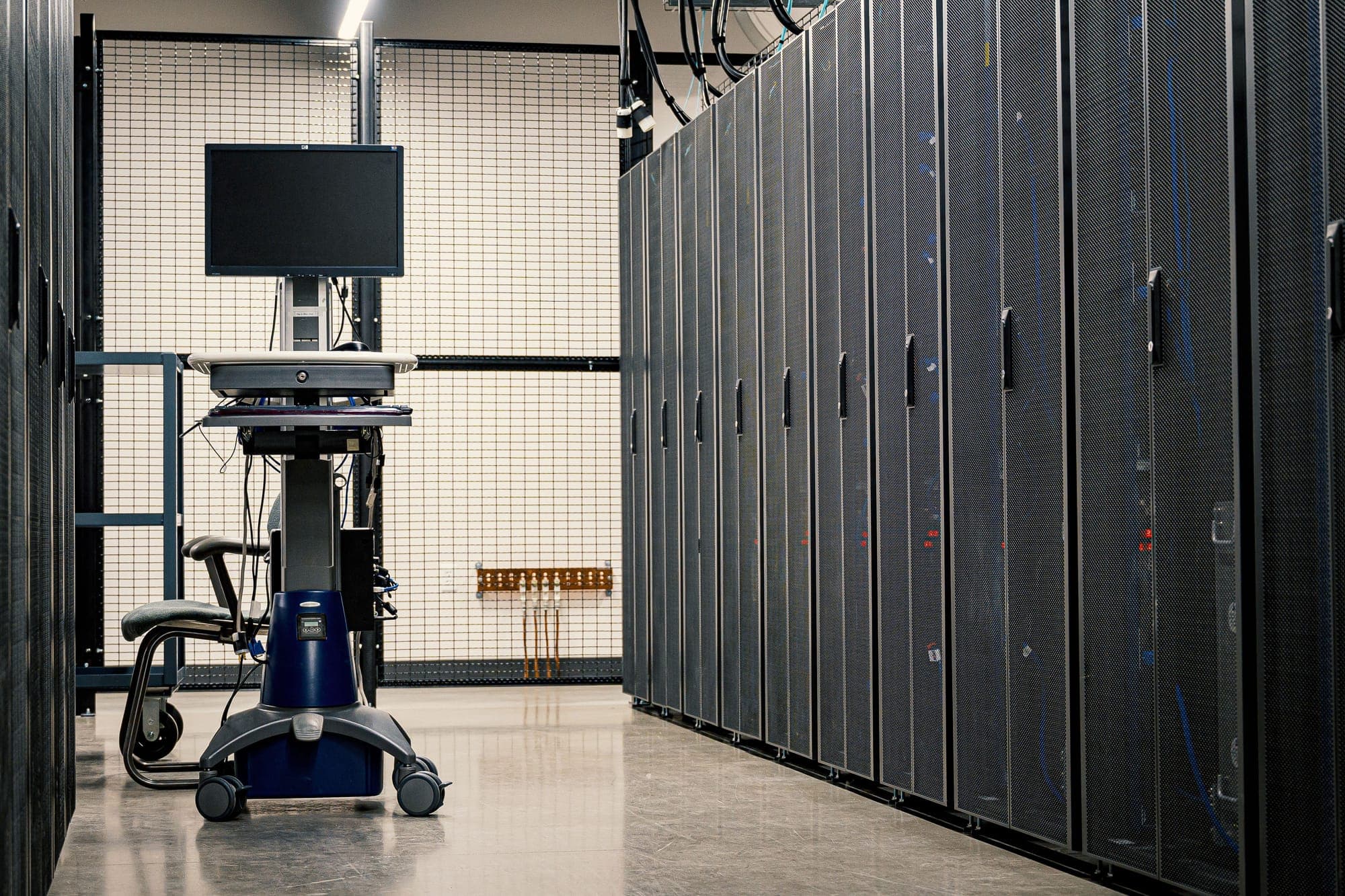
Another advantage is control over data. The vector database stays within the company's own infrastructure or that of its provider, so sensitive internal documentation never has to become part of any model's training data, and the company retains full visibility into exactly what the system draws on when answering.
Where Eniware fits in
Building RAG systems on top of internal documentation is one of the main things Eniware builds for companies. The goal is AI that answers based on a company's actual content, not on general knowledge from the internet, and that can be deployed on top of existing documentation, a wiki, or a company knowledge base without rewriting anything from scratch.
If your company is considering deploying AI on top of its own documentation, it makes sense to start with a smaller pilot area, for example one specific type of question, and test the approach there first.
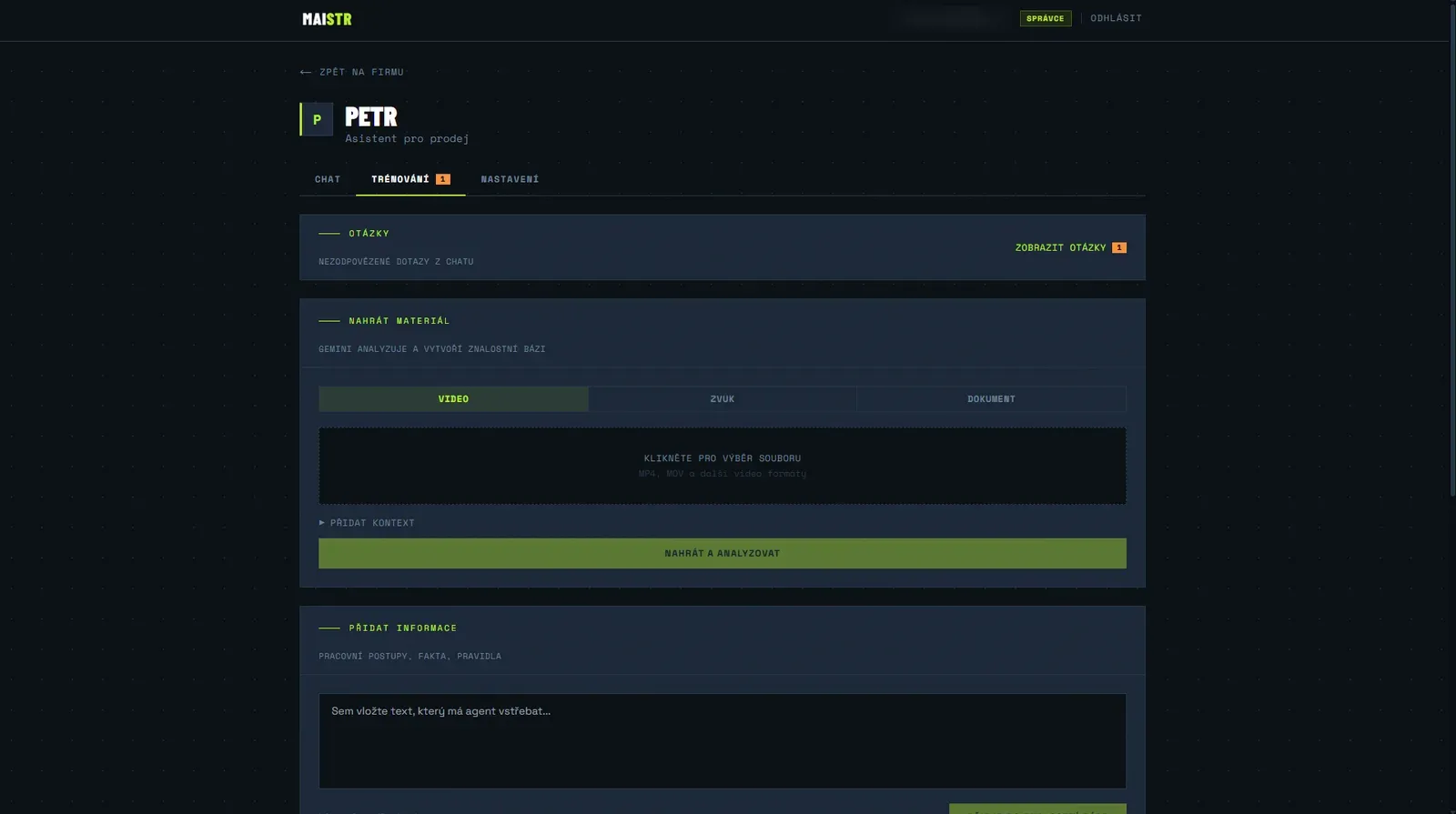
If you are curious what a system like this looks like in practice, we walk through a concrete example in our MAistr case study. If you would rather go a step further and run the language model itself on your own infrastructure, we cover that in our article on hosting your own AI model on your own device.